Articles by Natalie Kienzle
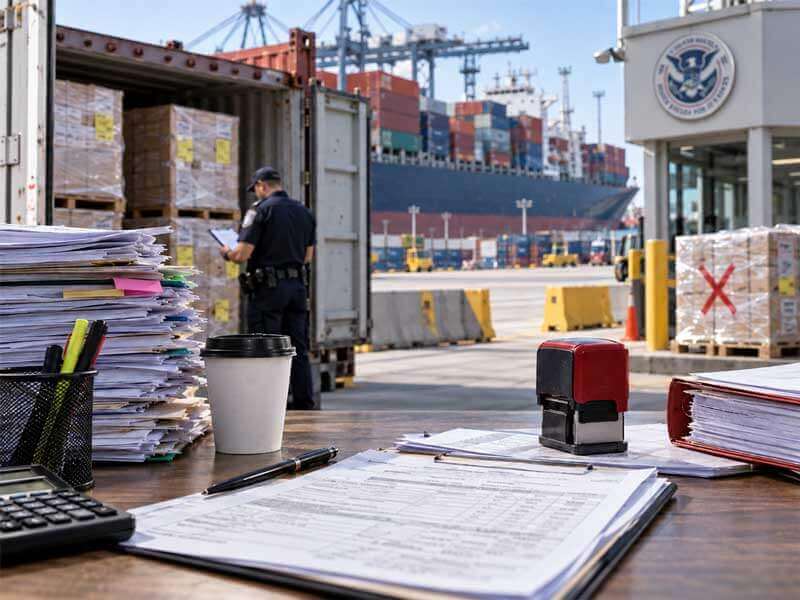
Import Documentation Mistakes: Common CBP Errors to Avoid
Import documentation mistakes can delay customs clearance, increase costs, and expose importers to penalties. This guide explains the most common errors, the consequences they can cause, and how to prevent them before filing with CBP.
What is the Lindsey O. Graham Act? Sanctions and Importer Impact
Passed on September 18 2026, the Lindsey O. Graham Sanctioning Russia and Iran Act directs the President to enact tariffs up to 500% ad valorem on goods imported from Russia and secondary 100% tariffs on goods from certain countries who purchase Russian petroleum.
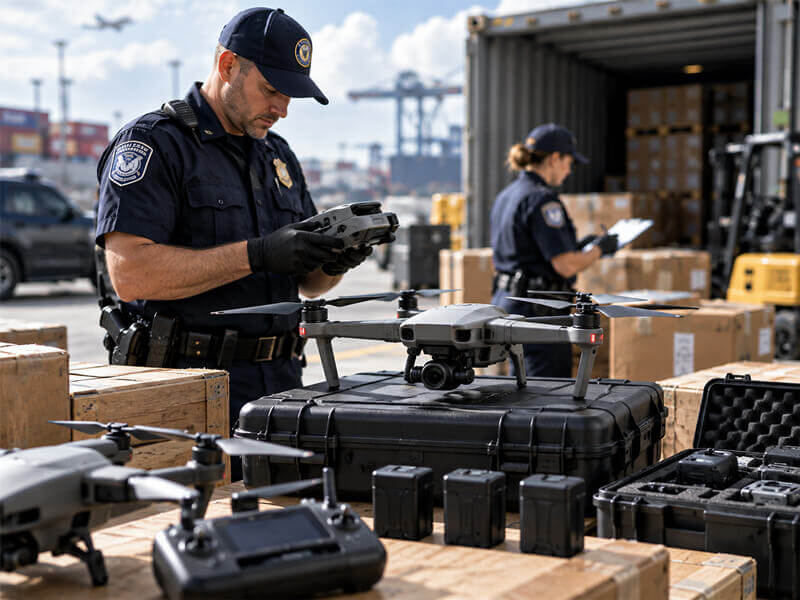
Importing UAVs: PGAs, Regulations, and Section 232 Tariffs
Unmanned Aerial Vehicles (UAVs), commonly known as drones, may be subject to Federal Communications Commission (FCC) requirements, and this guide explains how importers should verify that foreign-made drones comply with applicable regulations before bringing them into the U.S.

How to Identify Which Government Agency Regulates Your Import
Identifying which Partner Government Agency (PGA) regulates a particular commodity requires importers to identify their imports according to name, constituent materials, and intended use before searching government agencies with regulatory oversight.
What Importers Need to Know About Section 338 Tariffs
Section 338 tariffs are a lesser-known trade tool that could sharply raise duties on goods from countries accused of discriminating against U.S. commerce, and this guide helps importers understand how the rule works, how it differs from Sections 122 and 301, and what sourcing or customs strategies can reduce exposure if it is ever used.
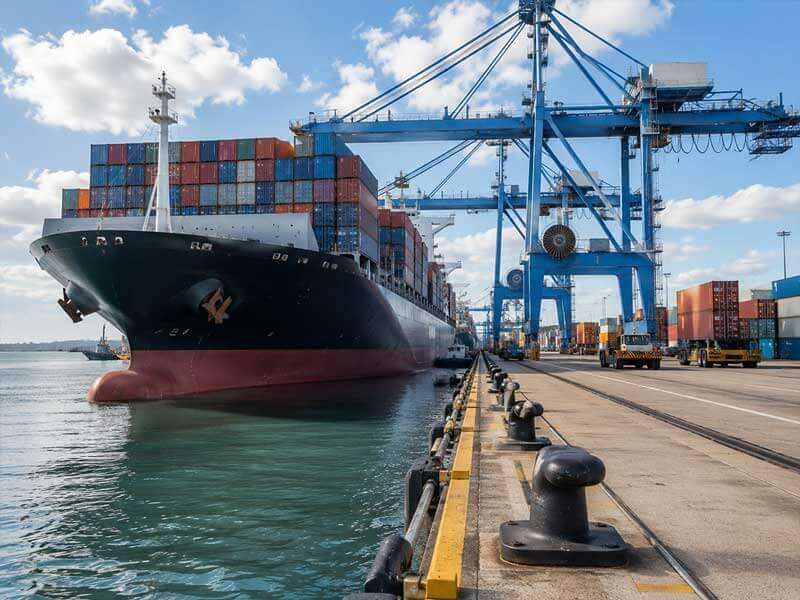
Harbor Maintenance Fee: How Much Is It and Who Has to Pay It?
The Harbor Maintenance Fee (HMF) is a standard customs cost for most ocean imports entering U.S. ports, and this guide helps importers understand who pays the fee, when it applies, and how to calculate it correctly as part of landed cost.