Articles by Joe Weaver

How Transfer Pricing Affects Importers: Valuation and CBP Audit Risk
Learn how transfer pricing affects you as a U.S.-based importer.
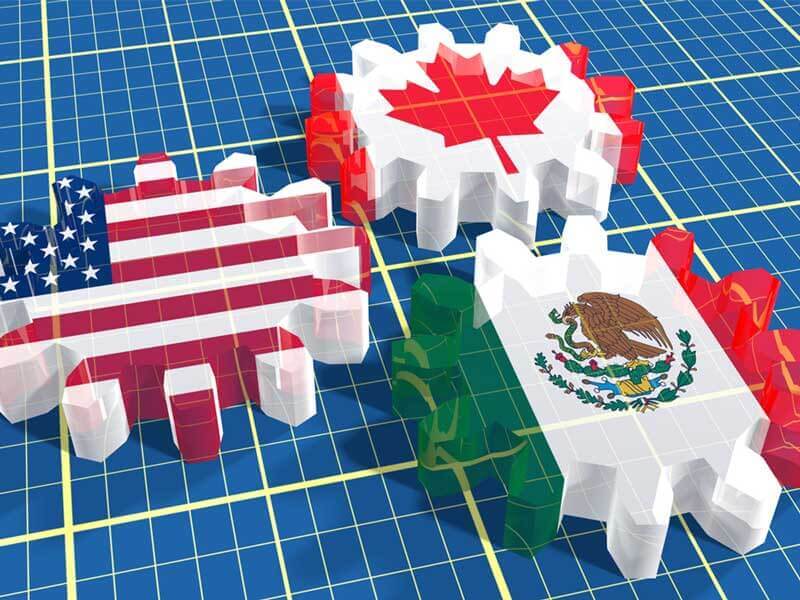
USMCA Documentation: Verification Readiness (Importer Guide)
If your goods qualify for preferential duty status under the United States-Canada-Mexico Agreement (USMCA), you’ll need the right documents to prove it.

ISF Rejected by CBP? Top Causes and How to Fix It Fast
Don’t let a rejected Importer Security Filing keep you from getting your shipment cleared. Use our easy-to-follow guide to avoid rejected ISFs.

What Are Landed Costs? A Breakdown for Importers
There are a lot of landed costs you'll need to know. We'll breakdown each one so you'll know how they affect your import costs.

China vs Vietnam Import Costs: Duties and Customs Fees
Duties and customs fees on imports from China and Vietnam will differ based on factors like manufacturing costs and what tariffs apply to your shipment. Learn more in this article.

CBP Reconciliation Entry: What It Is, When It Helps, and When to Use PSC Instead
If you file an entry summary with CBP and the information needs to be adjusted later, reconciliation may be the process you need to use to make those adjustments. Learn more in this article.