Articles by Joe Weaver
Type 86 Entry: Eligibility, Required Data Fields, and Rejection Reasons
Type 86 entry was an electronic CBP filing option for certain Section 321 de minimis shipments valued at $800 or less, but eligibility depended on accurate data, proper HTS classification, and avoiding restricted or PGA-regulated goods. Filing errors, vague descriptions, and admissibility issues commonly triggered rejection, delays, additional scrutiny, and unnecessary import costs.
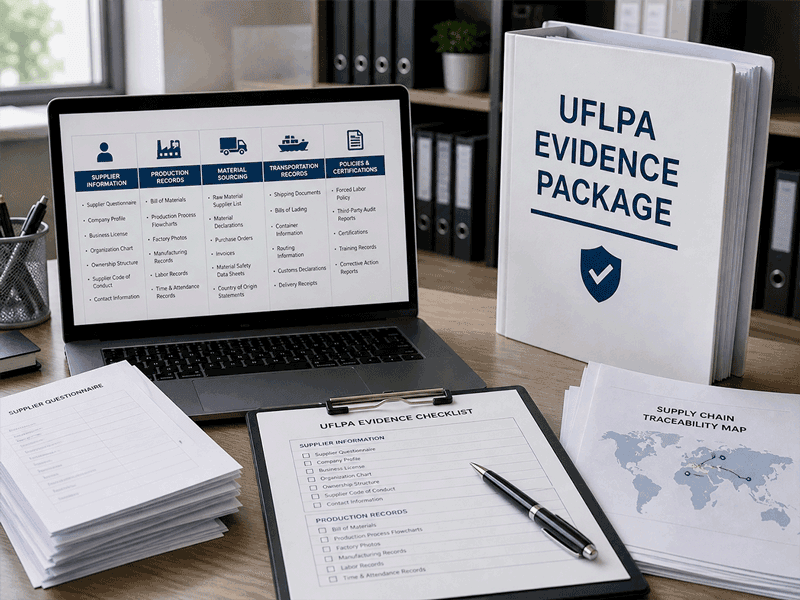
UFLPA Evidence Package Template (What to Collect Before You’re Asked)
UFLPA evidence packages help importers prove goods and inputs are free from forced-labor links, and this guide explains what records to collect early to reduce detention and compliance risk.
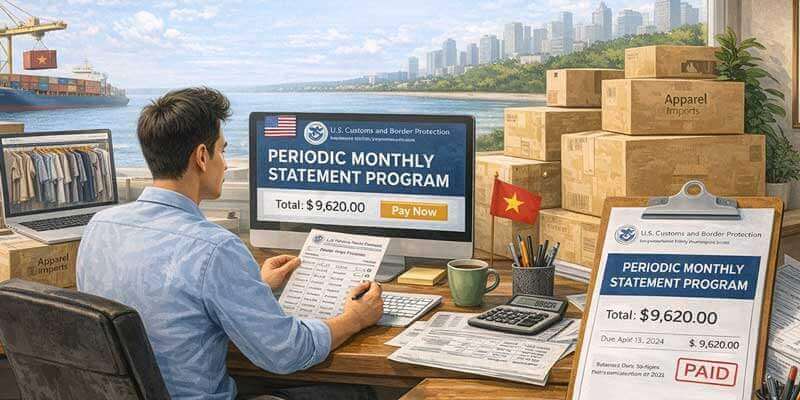
Paying Duties and Fees: ACH vs Statements vs PMS (What to Pick)
Our guide on how to pay customs fees explains the payment options available to U.S. importers who need to remit duties, MPFs, and HMFs to U.S. Customs and Border Protection.

CBP Post Entry: How To Fix Each (PSC, Protest, Prior Disclosure)
CBP post entry corrections allow importers to correct errors or challenge CBP decisions before or after liquidation, and this guide is for importers and customs brokers who need to identify the appropriate path to resolve entry form mistakes.

Duty Drawback: Qualification, Timelines, and Pitfalls
Duty drawback is a U.S. Customs and Border Protection program that refunds up to 99% of import duties when goods are exported or destroyed, provided the importer meets documentation and eligibility requirements.

Tariff Engineering: Examples, Case Studies, and What’s Legit
Tariff engineering involves designing or modifying a product’s materials or use before import so it qualifies for a lower-duty classification, and this guide is for importers, manufacturers, and supply chain compliance professionals who want to reduce import duties while staying compliant with CBP regulations.