Articles by Joe Weaver

How to Calculate Landed Cost of Imported Goods
Landed cost is the total expense of buying, shipping, and clearing imported goods, and this guide helps importers calculate every major cost factor before pricing products or risking costly surprises.
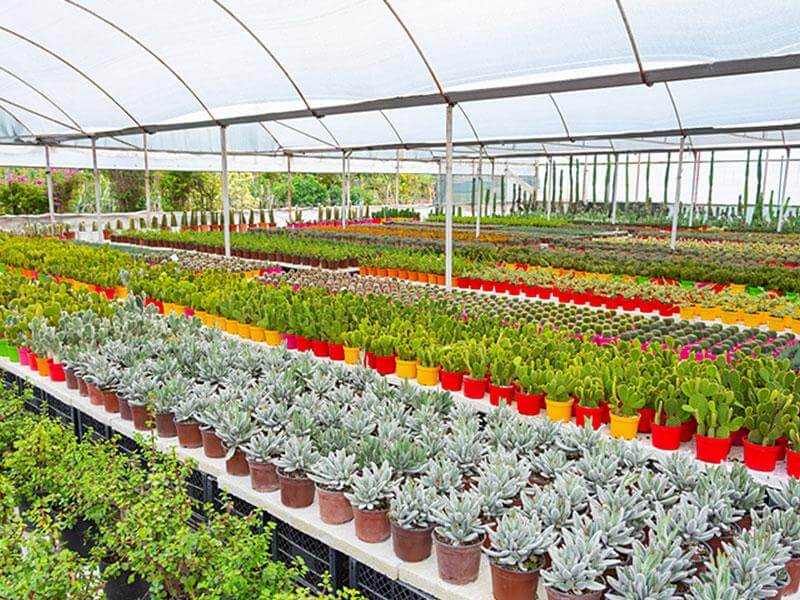
Do I Need a USDA Import Permit For Plants?
Many plant and plant-product imports require USDA permits before they can clear U.S. customs, and this guide helps importers understand which items need APHIS approval, when Lacey Act declarations apply, and what extra rules or prohibitions can affect plants entering the country.
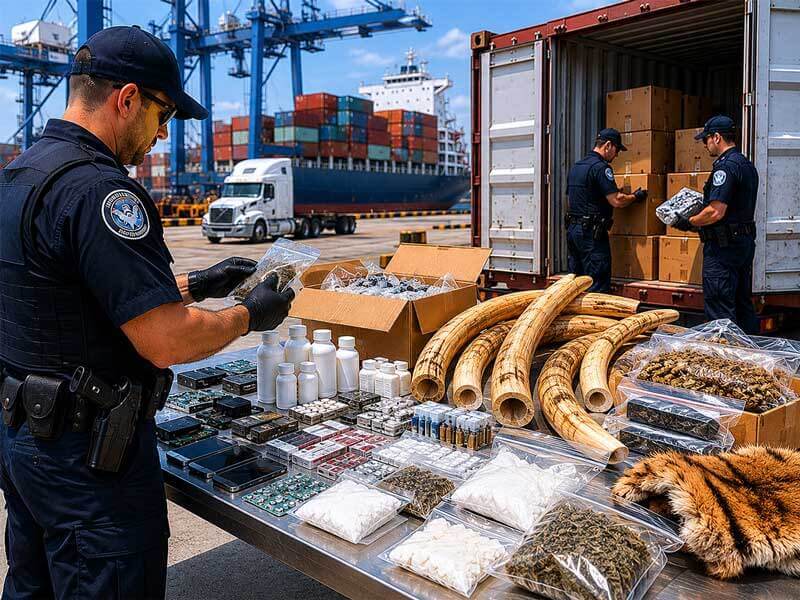
U.S. Customs Prohibited Items: What Commercial Importers Can’t Ship
Certain goods are prohibited from entering the U.S. or so tightly regulated that most commercial importers cannot bring them in without special authorization, and this guide helps businesses understand which items face the strictest restrictions, which government agencies enforce those rules, and how permits, sanctions, and product-specific regulations can affect whether a shipment is legally allowed entry.
Foreign-Trade Zone (FTZ): What It Is and When It Actually Saves You Money
A foreign-trade zone lets importers bring merchandise into a secure CBP-supervised area before formal entry and duty payment, and this guide helps businesses understand how FTZs can defer duties, reduce customs costs in qualifying manufacturing scenarios, support long-term storage, and streamline entry processing for high-volume import operations.
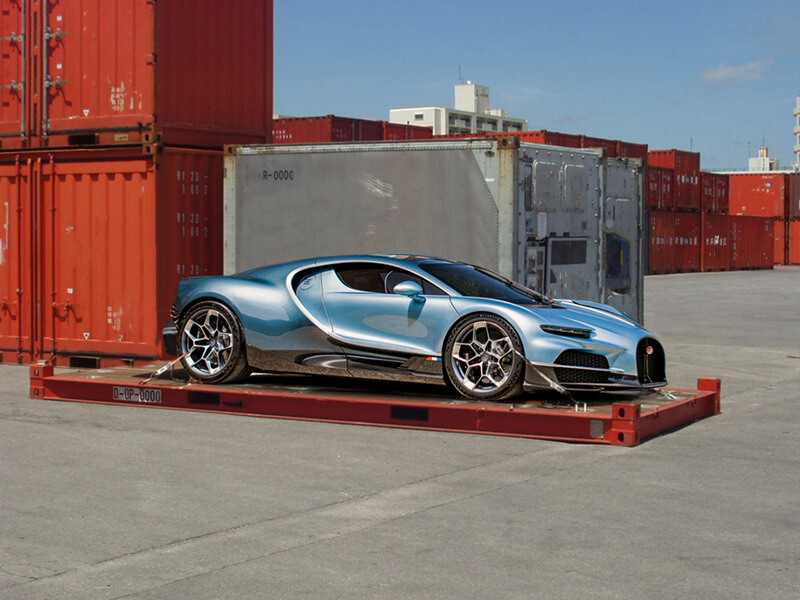
How Customs Brokerage Services Reduce High-Value Import Fees
Customs brokerage services help importers manage duties, documentation, and compliance for high-value goods, and this guide explains how broker support can reduce fees, delays, and costly filing mistakes.
Customs Broker vs Freight Forwarder: What’s the Difference?
Customs brokers and freight forwarders support different parts of the import process, and this guide helps importers understand who handles compliance, who manages shipping, and when to use each.