Articles by Joe Weaver
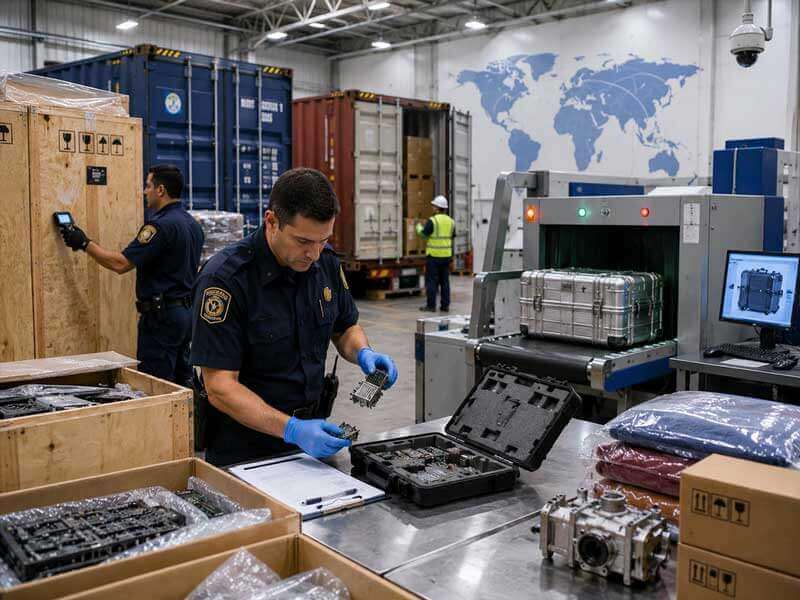
Export Controls and Their Impact on U.S. Importers
Export controls govern military and dual-use goods moving across borders, and this guide helps importers understand EAR, ITAR, reexport risks, and when special licenses may apply.
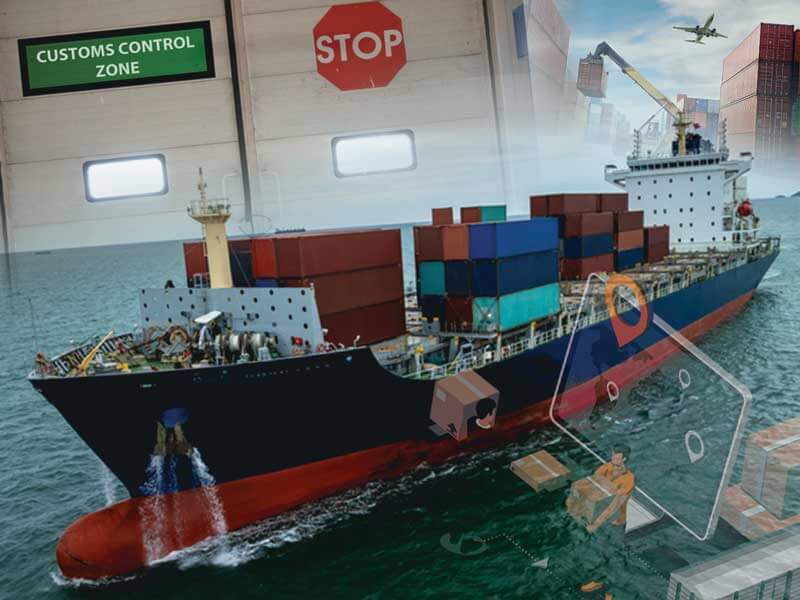
An Importer’s Guide to What Happens After Customs Clearance
Customs clearance is only one stage of the import process, and this guide helps importers understand what happens after CBP accepts an entry, how cargo release differs from customs clearance, what fees may still need to be paid, and why moving freight out of port quickly is critical to avoid added charges and delays.
Import Process With a Freight Forwarder: Roles and Duties
Freight forwarding is the process of arranging international cargo transportation across carriers and borders, and this guide helps importers understand what forwarders do, how they fit into logistics, and where customs brokers take over.
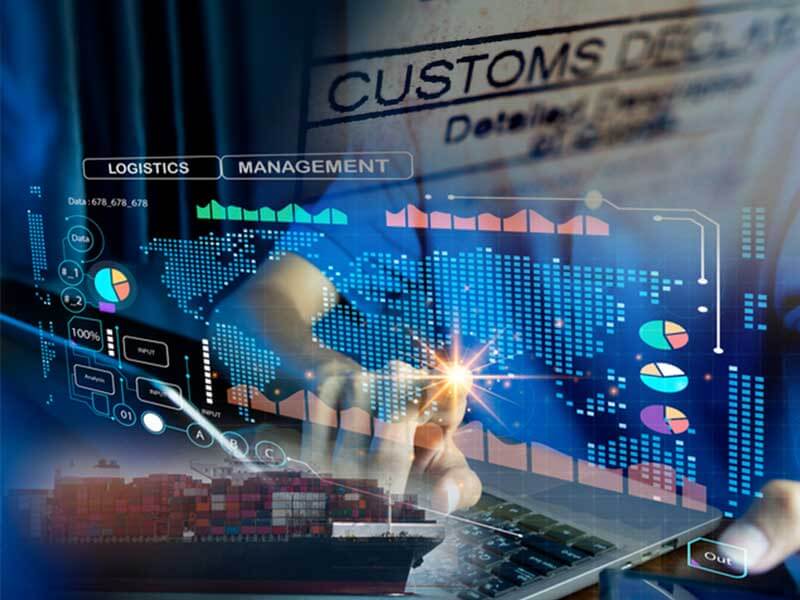
Who Manages the Customs Clearance Process for US Importers?
Customs clearance is the process that moves imported freight from arrival to legal entry into the U.S., and this guide explains how licensed customs brokers manage that process through documentation, compliance support, and coordination with carriers so importers can reduce delays, avoid costly filing mistakes, and keep shipments moving smoothly.

Customs Bond Requirements Every Importer Must Satisfy
Customs bond requirements are the rules importers need to follow before applying for bond coverage, and this guide helps businesses prepare documents, choose the right bond type, and avoid application mistakes.

How Can I Speed Up Customs Clearance for Imported Shipments
Customs clearance usually moves quickly when filings are accurate and complete, and this guide helps importers understand typical timelines, avoid common mistakes, and prevent delays before they happen.