The Customs Trade Partnership Against Terrorism (CTPAT) program is one of Customs and Border Protection’s (CBP’s) many programs designed to protect American consumers from bad actors and criminals in international trade. This program also has tangible benefits for importers who choose to get CTPAT certification. As a company that helps importers, we’ve seen firsthand the utility of CTPAT. We’ll explain what you can expect when you take advantage of the program.
Key Takeaways
CTPAT is a voluntary agreement made between CBP and qualified applicants to find gaps in supply chain security, implement measures to address them, and ensure best practices to avoid vulnerabilities going forward.
Benefits for importers and others who join the program include shorter wait times for clearance, a lower CBP risk profile, and access to the Advanced Qualified Unlading Approval (AQUA) lane at participating US seaports.
Applicants must complete a supply chain security profile, best done after an initial risk assessment, to show that their supply chain meets or exceeds CTPAT’s minimum security requirements.
Ask AI Assistant your question
In this article, I’ll explain CTPAT’s role in maintaining supply chain security and the advantages membership in the program confers to accepted applicants.
USA CUSTOMS CLEARANCE
Experience Seamless Customs Clearance!
Streamline your customs clearance with our expert assistance. Our licensed Customs Brokers are ready to help. Dial (855) 912-0406 to get in touch today.
CTPAT is a cargo security program created by CBP. The program requires applicants to undergo a voluntary supply chain security evaluation, perform a comprehensive risk analysis on their worldwide supply chain, and show compliance with the Minimum Security Criteria (MSC) set by CBP to achieve validation.
There are many different types of businesses that can apply for CTPAT, and the aforementioned minimum security requirements vary accordingly.
What is CTPAT Compliance?
CBP specifically enumerates 12 specific types of businesses based on factors such as commodity or service provided and country of operation that can qualify for CTPAT partnership.
Some CTPAT requirements are consistent from one business to another. Applicants must:
Be members of the trade community with no significant security issues
Name a company official who will act as the CTPAT cargo security officer
Have that officer sign the CTPAT-Partner Agreement to Voluntarily Participate
Use the CTPAT portal to fill out a supply chain security profile
Have no outstanding debts with CBP (there are exceptions for open disputes)
Fit CBP’s definition of an active business, which is one that has performed work in the US over the previous 12 months (exceptions for long haul carriers in Mexico and foreign manufacturers)
From here, requirements for the security program differ depending on the type of business. The more specific criteria for each type are as follows:
Air Freight Carriers
Active in the US
Active International Air Transport Association (IATA) code
Have a valid continuous international carrier bond on file with CBP
Consolidators Including NVOCC
Be an active consolidator (air freight, ocean transport intermediary, or Non-Vessel Operating Common Carrier)
Have a staffed, US business office
Federal Maritime Commission (FMC) or IATA organization number (if applicable)
Have a valid continuous carrier or type 2 custodial bond on file with CBP
Customs Brokers
Staffed business office in the US
Active CBP-issued customs broker’s license
Exporters
Staffed business office in the US
Employer Identification Number (EIN) or Dun & Bradstreet (DUNS) number
Acceptable compliance with export reporting regulations over previous 12 months
Good standing with CBP Partner Government Agencies (PGAs)
Manufacturers in Foreign Countries
Active manufacturer incorporated in Canada or Mexico
Active Manufacturer Identification Number (MID) from CBP
Mexican-based only: provide “Acta Constitutiva” and RFC number from the SAT
Highway Carriers
Active carrier with border crossings in Mexico and/or Canada
Mexican-based only: provide “Acta Constitutiva” and RFC number from the SAT
Staffed office in US, Canada, or Mexico
Active US NMFTA SCAC code and US DOT number
Importers
Active US or non-resident Canadian importer
Active Importer of Record (IOR) number
Staffed business office in the US or Canada
Continuous customs bond on file with CBP
Mexico-Based Long Haul Carriers
Active in Mexico
Transports cargo destined for the US but does not cross the US border
SCT and RFC numbers
Acta Constitutiva (if applicable)
Marine Port Authority/Terminal Operators
Active in US
Staffed business office in the US
FMC Marine Terminal Operator (MTO) Number
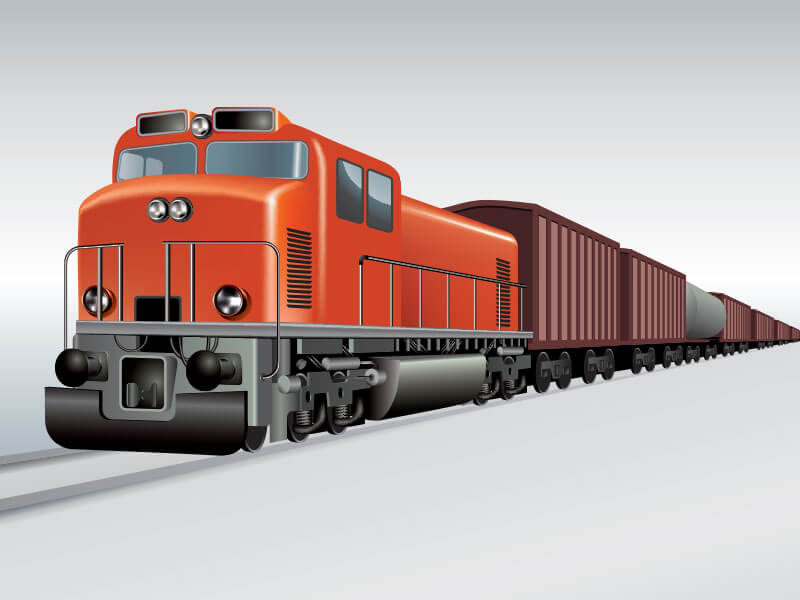
Rail Freight Carriers
Active shipping from Canada and/or Mexico
At least one staffed office in Canada, the US, or Mexico
Mexican-based only: provide “Acta Constitutiva” and RFC number from the SAT
U.S. NMFTA SCAC Code
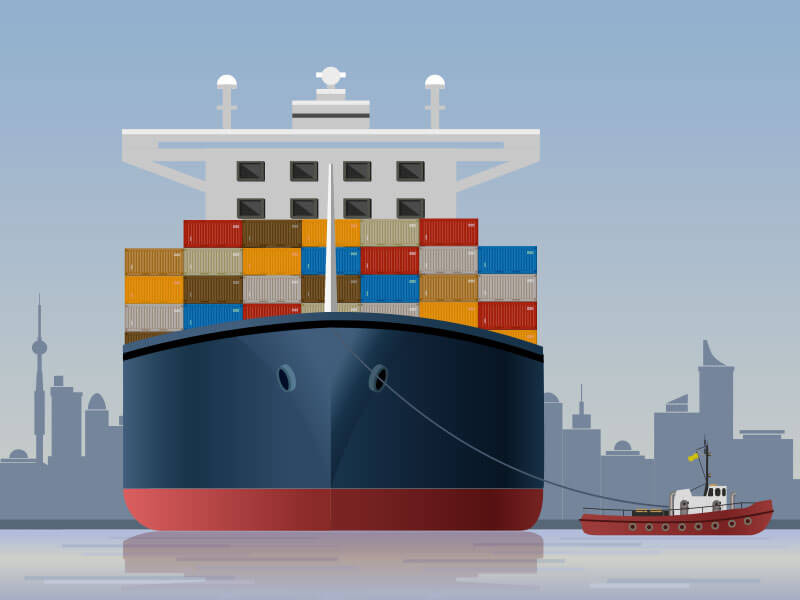
Ocean Freight Carriers
Active in the US
Staffed business office in the US
Active FMS Vessel-Operating Common Carrier (VOCC) Number
International carrier bond on file with CBP
Company representation at all US seaports used by the carrier
Third Party Logistics Providers (3PLs)
Direct involvement handling or managing international cargo coming to the US
Executes said functions for clients with their own warehousing, consolidation, and/or transportation resources
Does not allow double brokering
Licensed/bonded by the FMC, Transportation Security Administration (TSA), CBP
Companies that are not involved in international trade generally can’t benefit from CTPAT partnership and therefore do not qualify for the program.
CBP offers the following guidance for businesses interested in obtaining CTPAT validation:
Buy-In From Senior Management: Chances are if you found this article, you are your company’s senior management (and a few other roles to boot). If not, lean into showing your superiors how involvement in this program will ultimately save time and money while reducing the inherent risks of international trade.
Create a Supply Chain Security Auditing Program: Assume you have vulnerabilities and test them on a routine basis. Too often, companies trust the efficacy of their systems without pushing their limits, which played a part in a 431% increase in supply chain cybersecurity breaches between 2021 and 2023.
Build a Culture that Values Excellence in Security: CBP recommends that importers ask themselves these questions to gauge the importance of supply chain security in the workplace:
Is your security program primarily based on proactive or reactive controls?
Do you test your safeguards regularly, identifying weaknesses to address?
Are your training materials specific to your business and the commodities you handle, and are those materials updated to acknowledge current threats and align with regulatory changes as they occur?
Between the criteria and recommended courses of action necessary to qualify for CTPAT, it’s reasonable to ask if you even need it in the first place.
Participation in CTPAT is strictly voluntary: as such, no business needs CTPAT certification to conduct international trade and related business in the US. However, the benefits of becoming a partner (which I’ll go over soon) should be enough for any potentially qualifying business to at least consider signing up.
Top Five Benefits of CTPAT Certification
CTPAT validation comes with a number of perks and advantages, most of which reduce occurrences of an importer’s most dreaded situations: delays and inspections. Among the benefits you might enjoy are:
Fewer cargo exams
Use of the Free and Secure Trade (FAST) land border lanes and Advanced Qualified Unlading Approval (AQUA) ocean lanes
Reduced wait times at US borders
Assistance from a CBP-assigned Supply Chain Security Specialist (SCSS)
Training materials made available via the CTPAT portal
Between benefitting your business and improving national security, CTPAT partnership could be part of your company’s next major growth initiative. It shows you’re willing to go the extra mile to help secure the US supply chain, which goes a long way toward establishing trust and credibility with CBP.
Make a Plan With USA Customs Clearance
The planning stages of working toward CTPAT validation are crucial to determining your eligibility and identifying weaknesses that criminals and bad actors could exploit. If you’re ready to pursue validation, our CBP-Licensed Customs Brokers can provide expert consultation services that will set you up for success. Call us today at (855) 912-0406 or fill out a contact form online to get started!
Share This Article
Copy URL to Clipboard
[DISPLAY_ULTIMATE_SOCIAL_ICONS]
Add usacustomsclearance.com as a preferred source! See more of our coverage in Google's Top Stories.
Add usacustomclearance.com as a preferred source! See more of our coverage in Google's Top Stories.
We know the process and requirements can be confusing, but it doesn’t have to be.
We can help.
So when ordering a product from our site, you will be happy to know there is no risk in choosing the “wrong” product. We have you covered. In the unlikely event, you select the wrong product, we can help. Our team can help navigate the proper purchase and refunds.
As long as you haven’t submitted your bond application, filed a new Importer of Record, or had your consultation session we can provide a refund for those products minus a service fee of $45.
You will have 90 days to submit your bond application to us, after that time you forfeit your bond fees and there will be no refunds.
eBook product sales are final and refunds are not available.









 Copy URL to Clipboard


Add your first comment to this post