
IOR ENFORCEMENT IS NOW IN EFFECT | REVIEW MY IOR



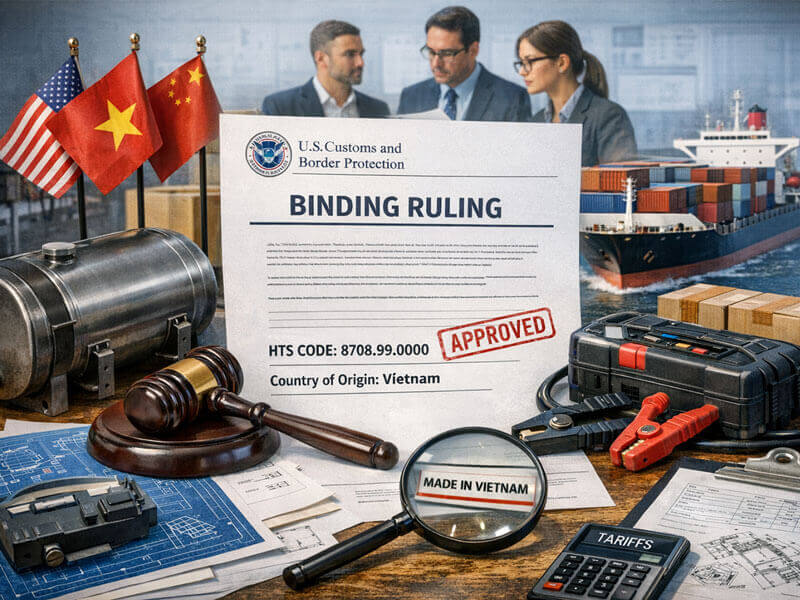


The complex legal language used to articulate customs regulations often leaves a lot of room for interpretation. You could ask three different customs experts to classify a commodity and receive three different Harmonized Tariff Schedule (HTS) codes in return. If you need a definitive answer regarding customs compliance, one of your best options is to request a binding ruling from U.S. Customs and Border Protection (CBP).
When you request a binding ruling from CBP, you are essentially asking for a directive about how to classify your imports from the authority who enforces those rules. The ruling is considered binding for CBP and the requesting party.
The Binding Rulings Program provides importers with a mechanism to make these requests. Once submitted, the request is eventually scrutinized by the National Commodity Specialist Division (NCSD) of Regulations and Rulings.
CBP states that customs binding rulings are usually issued within 30 calendar days of successfully submitting the request. This time frame can double or triple under certain circumstances, including:
To see what these rulings address, let’s take a look at some examples provided by CBP’s Customs Ruling Online Search System (CROSS).
The following examples, while specific, also illustrate some general reasons importers submit binding ruling requests.
Steel Tank, or Car Part?
An importer sought permission from CBP to classify a steel tank as an auto part. Since the tank is designed to be bolted to a truck, the importer argued that the tank should be classified under the heading 8708, which deals with parts and accessories of motor vehicles. He had previously been directed to classify the goods under heading 7309, reserved for reservoirs, tanks, vats, and similar containers with specific volume capacities.
Superficially, this seems like a reasonable request, and there are advantages to classifying something as an auto part rather than an article of steel when it comes to tariff rates. However, the General Rules of Interpretation ultimately indicated that the tanks don’t count as car parts since they’re not designed to be removed.
Benefit to the Importer: While they pay a higher tariff for articles of steel, the importer will avoid potential punitive actions from future CBP audits by adhering to the ruling and using the recommended HTS code.
Country of Origin Determination
Given how many different countries can contribute to a single commodity’s overall supply chain, determining country of origin isn’t always straightforward. For instance, a Vietnamese-based manufacturer makes lead-acid jump packs for passenger vehicles. Final assembly takes place in Vietnam, but the components are also partially sourced from China.
There are two main factors at play here: whether the manufacturing process is considered “substantially transformative” and which component of the jump pack contributes most to its value. Since assembly mostly involves adding a casing and accessories to a lead-acid battery, the change is considered non-transformative, and the country of origin would not be impacted by this factor.
That leaves the most valuable component, which is the battery itself. Since the battery is made in Vietnam and is the final product’s most highly valued part, CBP determined that the correct country of origin for the jump pack is Vietnam, not China.
Benefit to the Importer: Trade relations between China and the US are often strained, leading to high tariffs and complicated customs compliance rules. Being able to identify the product’s country of origin as Vietnam means the importer won’t have to deal with the unique headaches of sourcing goods from the world’s factory.
Related: How to Calculate Import Duties and Taxes From China to the US
Timing is important to ensure you get the most out of your ruling request. For instance, if you’ve gotten far enough along in your business plan to know what you want to sell and your preferred supplier, it would be wise to request a binding ruling for classification guidance months before you start importing.
As stated earlier, CBP tries to respond to ruling requests within 30 days of their receipt. However, the time frame can go up to 90 days in some cases. For this reason, it’s best to submit requests as early as possible.
Some of the most common reasons to request a binding ruling are:
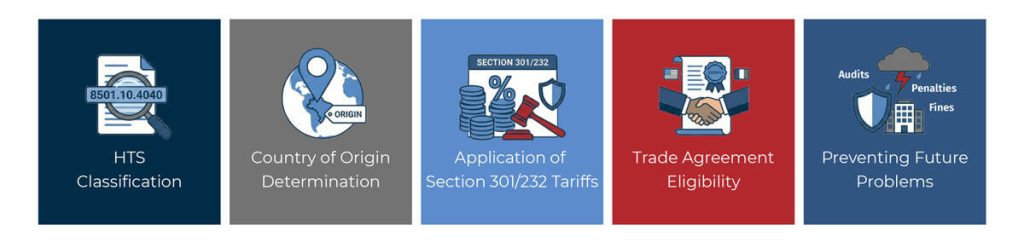
Overall, these reasons stem from the desire to take as much uncertainty as possible out of the import process.
Customs and Border Protection provides links to information about binding ruling applications on their website. In practice, however, many small and medium-size business owners submit these requests via a Licensed Customs Broker.
There are a few reasons to let a broker handle your binding ruling request, not the least of which is the amount of detail that needs to go into it. The data points CBP will need in order to issue a clear ruling include:
These are just a few pieces of information that need to accompany your request. If the process seems exhausting, don’t worry: you don’t have to go it alone.
Like most customs-related documents, the filing of a binding ruling request is best done by a Licensed Customs Broker with daily experience handling the ins and outs of classification and customs compliance. By partnering with USA Customs Clearance, you can rest easy knowing all of your import paperwork is completed properly and submitted promptly.
Call us today at (855) 912-0406 or fill out a contact form online to find out how we can help you build your import business.
 Copy URL to Clipboard
Did you find this article helpful?
See more of our coverage on Google.
Add usacustomsclearance.com as a preferred source!
Add usacustomclearance.com as a preferred source!
See more of our coverage in Google's Top Stories.
Licensed customs support for importers across a wide range of U.S. entry needs. USA Customs Clearance provides Customs Bonds, Consulting, Customs Brokerage, Manifest Confidentiality, Importer of Record support, and Guides & Resources to help importers prepare for U.S. Customs and Border Protection (CBP) requirements and customs clearance with regulatory compliance, greater clarity, and confidence.
With licensed broker support, transparent service information, and secure checkout, we help importers take the right next step.

Add your first comment to this post