Joe: Let’s talk about how
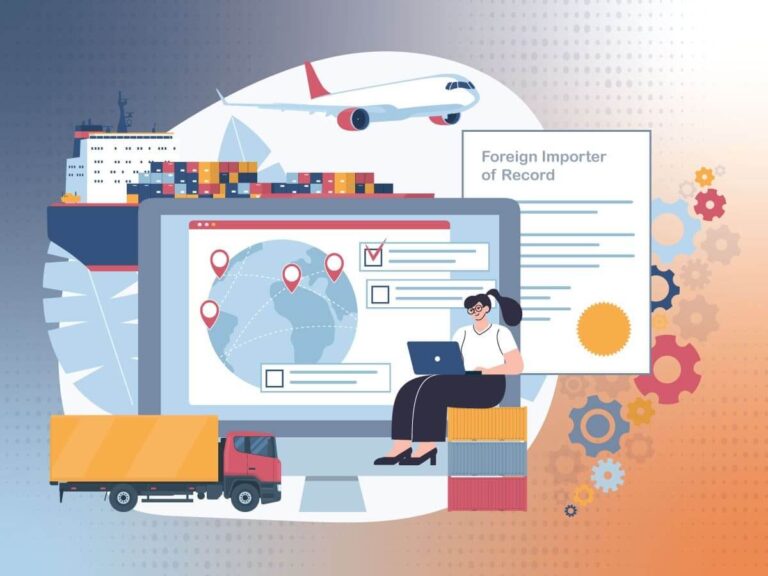
foreign importers of record are going to have an even greater onus placed upon them by CBP.
Anthony: Yeah, I mean, realistically, the one big thing for foreign importers is they are now going to be restricted from informal entries and things like that. So all their entries are going to have to be formal entries. That’s the big change. They’re going to have to have a bond, a customs bond, for sure. Their most… I’m not going to say they all have to go towards… and get the
CTPAT certification because I don’t know if you know, Joe, the CTPAT certification takes a quite a bit a long time because there’s a big vetting process, and I think CTPAT certification for a foreign importer is going to look very favorable on them. And the bottom line is, you know, the biggest change for a foreign importer is… is the formal entries. That’s really going to… it’s really going to be a big change for them. You know, they’re going to have to share some domestic assets and things like that, as well.
Joe: We do…
Anthony: …identification part. Yes.
Joe: Yeah, we do have some exhaustive content on CTPAT certification, including what’s going to be expected just, you know, it’s probably going to be a bit more difficult going forward. But the expectation even on domestic importers to get CTPAT certification is exhaustive and time consuming from the research that I have done. And if there are foreign importers of record who want to get ahead of the game by starting that up, I think it’s safe to say, if you can start sooner than later, do so.
Anthony: 100% because, well, that’s the other thing, and I don’t want to flip back to the domestic importers, but the ones that are, you know, CTPAT certified, they shouldn’t be… they shouldn’t be looked at the same way as a new importer and/or a foreign importer. And I think that’s what this order is eventually going to come down to, Joe.
Joe: Gotcha. So, obviously, we’ve just gotten done talking about foreign importers of record. They’re going to have additional documentation requirements. So, another group of individuals this is going to impact, and maybe we don’t spend quite as much time about… on this, but it’s going to impact customs brokers themselves. What is going to be the greater expectation of customs brokers from CBP as these orders develop, do you think?
Anthony: So we’re going to be the ones to… that’s going to be expected to do a lot of the vetting process. And, you know, we don’t have the… some of the databases that are at the fingertips of the US government, and especially CBP. So, one of the questions is that we’re going to have for CBP is, basically, “hey, we need clarity on this, on the vetting process, and what are our actual responsibilities?” Because, right now, we’re doing a great deal of vetting, and I think I went through a few of them: the IRS, the 50 states, the secretary of state, making sure that the customer actually
has business, making sure they are who they say they are, and things like that. So, where… what extent are we going to be responsible for? And I think, you know, in the end, a lot of these questions have been posed to CBP already.
Joe: You yourself shared with me the NCBFAA’s article…
Anthony: Yeah.
Joe: …their response to this, the other day. So, brokers, customs brokers, I think, are already, in a way, doing importers a favor by pointing out the potential for missteps in the execution of these orders. So, if you don’t have a broker already that you’re partnering with, and you’re looking for one, it’s a good time to look for one because, right now, they’re kind of looking out for the American business person who’s going to be impacted by these orders, and, you know, foreign and domestic in a way.
Anthony: You know, the brokers know, first of all, the brokers know that we play a vital, critical part of the supply chain, right? We already knew that. It’s… excuse me. It’s only come to the forefront over the past 10 years how critical that we play. You know, if someone asked me 25 years ago, “Hey, what do you do for a living?” I’d have to explain it to them. Now, I tell them “customs broker,” and they know. “Oh, okay, yeah. Your business is crazy right now.” And it is.
Joe: When I walked into this building three-and-a-half years ago, I could not have told you what a customs broker was.
Anthony: Exactly.
Joe: I sold truck parts for a living.
Anthony: Most people know now who we are and what we do. But, yeah, it’s been very interesting. And, like I said, the… all the brokers know that we play a vital part, and CBP knows we play a vital part. So, to sit there and say it’s going to have a huge effect on us, absolutely, it is. But I think we’re ahead of the curve, number 1. And, number 2, we need to know what extent of, you know, customs is going to hold us accountable for on this vetting process. Because there’s really no clear indication yet because it is mentioned that, you know, customs brokers, foreign importers, bonding warehouse operators and other import affiliates are, you know, going to be affected by this.
Joe: Yeah, it’s not just limited to brokers. Basically, any… yeah, yeah, anybody who’s acting in that sort of intermediary capacity can expect these orders to impact the way they go about their business.
Anthony: No, absolutely.
Joe: So, obviously this means that this impacts Customs and Border Protection as well. NCBFAA contributed to CBP’s ongoing efforts to execute these orders because CBP is probably looking for advice, they probably need it.
Anthony: They do.
Joe: And there are expectations placed upon them, you know, by the executive branch of the government. Let’s talk about those a little bit because they may inform some changes coming forward that importers can anticipate. Increased enforcement of liquidated damage claims. So, the enforcement’s orders within strengthening customs.
Anthony: So, that’s… I’m sorry, go ahead.
Joe: I was going to say that seems like something that, you know, it immediately impacts CBP, and then, by extension, impacts importers. So that’s a pretty important point that I think we can spend some time on.
Anthony: Yeah. So the enforcement part of this whole thing is, realistically, we have… we need more guidance on that because there’s a lot of questions related to the enforcement part and the penalties. Like, we want clarity on that liquidated damages because is it on the bond? Is it on the value? Is it… what are they going to do the liquidated damages penalty on? You know, there’s other things as well besides the liquidated damages. They’re talking about restricting in-bonds, okay. So, who are we restricting in-bonds to, and which in-bonds are restricting them? Is it just an IT? Is it a transportation and expectation? Is it an immediate export? So, which in-bonds are we talking about?
Joe: You’re referring to in-bond transportation?
Anthony: Yes.
Joe: Okay. Yeah, expand on that a little bit. That’s something that we’ve recently started exploring more from a content perspective. How is this going to hurt, like… how is this going to
impact things like in-bond transportation, and also in-bond storage. I imagine this goes to FTZ and probably bonded warehousing as well?
Anthony: Yeah, it’s going to go to all of it. But we need… CBP needs to answer some of these questions, and, really, put out the
clarity. I think the order is very general in its sense, but, in the end, we have to understand fully what they’re talking about when they say they’re going to restrict in-bonds. Who are they restricting? And
how are they going to restrict the in-bonds realistically? You know, if… if an importer wants to export their goods, reexport them, or whatever, are they going to restrict that? I mean, and what mechanisms are they going to use that restrict that? And how are we going to be kept informed as brokers on those in-bond restrictions?
Joe: And one… something that we’re going to explain later on in the podcast is there is kind of a timeline already in place for these movements, and, right now, we’re in a part of the timeline where, unfortunately, the general public is not going to hear a lot about the communications going on between CBP and the federal government as they figure out how to go about executing these to their best possible ability. So, while we do have some fairly nebulous interpretations of ideas right now, going forward, as these solidify, we are going to continue to expand our content to make sure that you will be able to understand what’s going on a day-to-day basis.
Anthony: Absolutely. And, you know, the
other clarity we really need to understand is, and this goes back to how it’s going to affect us. But I think I mentioned this a little earlier, too, like, imposing maximum penalties on customs brokers for dealing with repetitively non-compliant importers. How are we holding us responsible for that? You know, we need clarity on that, and more along the lines of, you know, what these penalties look like, and how they’re going to come, and is there going to be a warning for this? And, realistically… Going way back to the beginning of this whole executive order, one thing we also want to know is, and I think, you know, way back when, in 2008, when ISF came out, there was a grace period before enforcement. Are we going to have a grace period before the enforcement? Because the broker association is suggesting that because this will allow foreign importers, importers who aren’t CTPAT, to now apply for CTPAT and get that. So, yeah, there’s a lot of moving parts to this executive order, and it’s pretty clear that the government wants CBP to start getting, you know, back in the enforcement game as opposed to the terrorism game.
Joe: Yeah. Um, 100%.
VO: The information shared on Very Importing People is for general educational and informational purposes only. Customs regulations and requirements can vary based on the specific circumstances of an import and may change over time. This podcast is not legal advice and should not be relied upon as guidance for a specific transaction. Importers remain responsible for exercising reasonable care and complying with applicable laws and regulations. For questions about your specific shipment or importing situation, consult a qualified customs professional or legal counsel.