[music]
Joe: All right, thank you for joining us here on the very first episode of the “Very Importing People” customs podcast. Uh, my name is Joe Weaver, and I am a content writer here at R+L Global Logistics. And our expert is customs broker Anthony Ambrazino. Uh, Anthony, would you like to tell the audience a little bit about your experience and time as a customs broker?
Anthony: Yeah, expert. That's a tough word, but yeah, uh I've been a customs broker since 1997. I've been in this industry since 1990. Um, I really, uh, joining R+L Global Logistics really got me back for my, uh, fervor for custom brokerage. Um, I-I-I… really, uh, I've been doing it so long that, uh, in this industry so long that sometimes you know doing sales or running a, uh, branch operations, and, uh, regions and things like that. Um, I always try to keep my hands in on customs, but… and stay connected to it. But, you know, with all the stuff that's been going on over the past 10 years, our industry has changed. I thought it changed after 9/11, but, uh, it has severely changed, uh, over the past 10 years, and we are a different industry now, uh, 10 years later than we were, I guess, prior to 2016.
Joe: And you've picked a pretty conspicuous time, uh, then to refocus your energies on… on customs because, uh, we live in interesting times, shall we say?
Anthony: Yeah. I-I mean the-the-the way the data is coming out right now, it-it… the-the remedies and and all of these trade, uh, tariffs and things like that, it's-it's-it's so abundant that it's-it's-it's amazing that we we actually keep up with it. And realistically, um, I s-... I saw something today where, uh, there's all these tariff remedies and things that come out. There's really no link to, uh, the-the most favored nations tariffs to-to-to get, uh, to the, um, reciprocal tariffs. I mean, it's really… it's really interesting. Um, so we have to do it old school, and… and, you know, and nobody uses paper anymore, but, realistically, that's how we used to do it. We used to flip from… from the most favored nation tariff, go back and… all the way to the back of the book to find the the other tariff numbers that were associated with it. But, uh, nowadays, it's just a little bit different. It's fun. It's fun. I'm enjoying it.
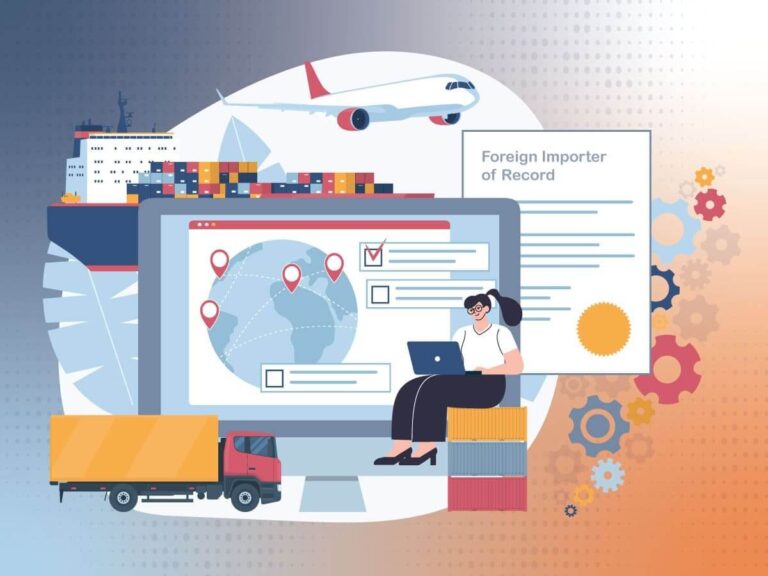
Joe: And it's getting more different with each successive day, which is kind of what brings us, uh, to the top. All right. June 3rd executive order from the White House. Uh, this is the “Strengthening Customs Enforcement” order, um, that contains a lot of changes to how IOR registrations are going to work going forward. Um, so why don't you go ahead and give us a-an overview, uh, of this order as you've read it, and then we'll dive into some specifics of it, uh, for our view… viewers.
Anthony: Yeah, absolutely, Joe. So, this is a big one. This… this executive order, um, “Strengthening Customs Enforcement” reform. Um, this… this… this order is long overdue. Um, and I'm going… I'm going to tell you something. I'm going to tell the-the viewers, the customs brokers have been doing this for a long time. Um, I want to say the p- at least the past 10 years that we've been… we've been doing this because there's been a lot of bad actors. Um, the reason for this enforcement is Customs needs to close the long-standing gaps on systematic efficiencies. Uh, there's been loopholes, um, inefficiencies in enforcement mechanisms, and basic, just general outdated processes…
Joe: And that's why this, uh, this first section here is why are these new rules being enacted, and that's what we're kind of talking about right now.
Anthony: I mean, I don't want to say that, um, 9/11 changed the way Customs viewed things, but it kind of did. Um, they were more focused on stopping terrorism, basically, you know, and… and homeland security, and national security, uh, because pre-9/11, a lot of these things, uh, were in… not in… they were kind of in effect, um, there was a lot more vetting, and… and a lot more, let's say, CBP, back then, they were US Customs Oversight, um, to a lot of these things. But this is just an enhancement now, uh, to what they used to have, uh, pre-9/11. And… and, you know, this… this, you know, realistically going away from that and not focusing on the trade so much and more focused on the… on the terrorism things like that. It led… it led to opportunities for bad actors to evade… evade the law. Um, you know, things like… simple things like underdeclaring, undervaluing imports, you know, withholding critical information, uh, about IORs and, you know… you know, goods being imported, um, avoiding payment of duties, you know, through these crazy schemes and things like that.
Joe: So, now, finally, all these years later, we've got the time, effort and resources, and an administration who does want to turn its focus on this and go…
Anthony: Absolutely.
Joe: …”let's pump the brakes, and, you know, we need to go back over the last couple of decades how we've been doing things and make some adjustments.”
Anthony: Absolutely. No question about it. And now, with these new rules, uh, this… this… this is a pretty big order that… that… that's going to focus on all of that. A lot of things are going to change. Uh, we're ahead of the… we're ahead of the curve. A lot of the brokers are ahead of the curve. Um, but there… there is… there is some… a lot of open, unanswered questions that, uh, CBP needs to clarify. Uh…
Joe: And we're going to do our best to try to answer uh some questions that you have, uh, as far as viewership goes. We're going to do our best to, uh, present, uh, advice that, again, we must stress, uh, this does not constitute legal advice. Um, but Anthony here does know a great deal about customs, and, so, we're going to take advantage of, uh, the knowledge that you have while we take a look at the, uh, people who are going to be impacted by these new rules the most. Um, right off the top of the bat, um, importers of record. Um, let's start with people who want to become an IOR right now who aren't already one. Um, because, maybe, that's who this is going to speak to the most.
Anthony: That, i-it… so, yeah, the vetting process, that's going to… there is a section in this executive order regarding the vetting process. And that, realistically, is… is going to affect, um, well, I don’t want… I don't want to say those people the most, but they're going to get scrutinized the most because a lot of the questions that are going to be posed to CBP when this comes down to it is like, okay, if a customer has been importing for several years, they're in good standing, we're… we're going to get into all this later, but the customer is in good standing. They're a CTPAT member. They don't have any violations. Why would they go… have to go through all this vetting again? Shouldn't they be grandfathered in? Things like that. So, the new importers are going to have to go through all of this. And a lot of our customers are new.. brand new importers. Um, and there's a lot of different requirements. I can go into them now. You know, the… the… the vetting of the power of attorney, it's not just accepting a power of attorney any longer. It's now, we… we get the power of attorney and that IRS number that you provide to us, the EIN. We have to vet that. Um, and we get… the way we… the only way we can do that is if you provide us with a document from the IRS, a 1040, a 147C, and there's a whole host of other documents… excuse me, Joe, um, that we accept as proof that that IRS number is valid, and it matches the company that you said, uh, that you, uh, put down on the power of attorney.
Joe: And that matches an ongoing, uh, theme we're going to see throughout these orders, um, is prove who you are verifying, uh, so much information. Um, if we could, for a moment, um, while we're on the subject of the importers of record who this affects, um, is it going to affect, uh, domestic importers of record the same as it would, uh, say, foreign importers of record?
Anthony: No, it…it's… it's… it's going to… it's going to affect foreign importers even… even… it's going to take it a step even further. foreign importers are going… going to have a few restrictions on them as well.
Joe: To contextualize that, let's start with the impacts on domestic and then, uh, if we could, I'd like to move on to those Foreign, and let you talk about that at length because that's going to be a big deal in this one.
Anthony: Yeah, there's going to be a few different, uh, additions to the foreign importers. But as far as the importers of record on the domestic side, um, you know, they’re… they're going to have to… the vetting process goes even deeper than just verifying an IRS number. You know, we take it a step further. We go to each of the… of the 50 states and to the secret- secretary of state, and make sure that that company is registered there, the address matches, they're an actual business, they have assets there. Um, bonding requirements are going to be, uh… that's another question that Customs needs to clarify. What are going to be the minimum bonding requirements? Because, right now, obviously, everybody knows it's a $50,000 minimum. Are they going to raise that? We need clarity on all this stuff from CBP. Um…
Joe: That's going to be, uh, information that, I think, is probably going to be forthcoming from CBP. And, uh, just for the benefit of those, uh, who are watching, we've, uh, talked, uh, in the past about the possibility that the floor, uh, for, um… a continuous customs bond, you know, potentially could change, uh, based on these orders and requirements of these orders. So, we are going to definitely talk about the impact on bonds, um, at a later point, and probably once we have more concrete information from CBP to share, uh, with our viewership.
[music]